


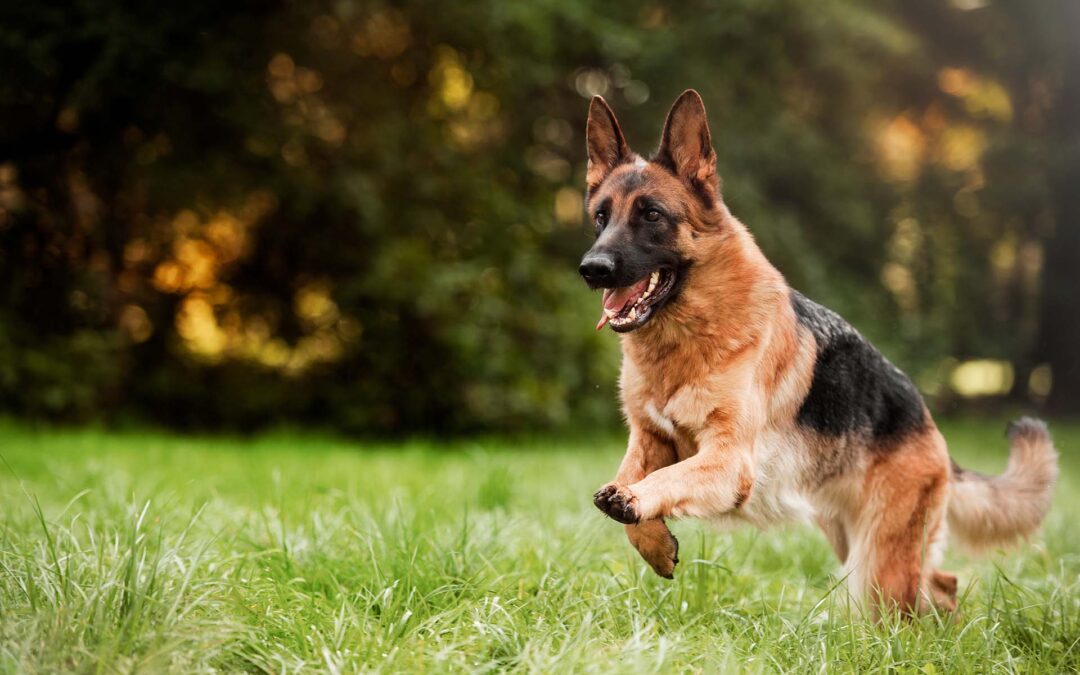


Pets are part of the family, but they can also create unexpected risks when it comes to insurance. In this episode, Mark and Kathy Moore walk through how owning animals, especially dogs and livestock, can affect your liability coverage and what homeowners need to be aware of.
You’re Responsible for What Your Animal Does (0:00 – 4:00)
The conversation starts with a real-life situation involving a stray dog that showed up at their home and caused issues with their existing pets . While it’s a relatable story, it leads into an important point:
If you own an animal, you are responsible for what it does.
That includes injuries, property damage, or any situation where someone else is affected. Animals themselves can’t be held liable, so the responsibility falls entirely on the owner. That means if your dog bites someone or your animal causes damage, you could be on the hook for medical bills, repairs, or even legal claims.
Not All Dogs Are Treated the Same by Insurance (4:00 – 4:51)
One of the biggest surprises for homeowners is that insurance companies don’t treat all dogs equally.
When applying for a homeowners policy, you’ll be asked what type of dog you have. Certain breeds are considered higher risk, and depending on the company, that can lead to reduced coverage or no coverage at all for liability claims .
In some cases, a policy might only provide limited coverage, which may not go very far if someone is seriously injured. This is where many people assume they’re covered, only to find out later that they’re not.
A Dog’s History Matters Just as Much (4:51 – 8:00)
It’s not just about the breed. Insurance companies also want to know if your dog has ever bitten someone before.
If there’s a history of biting, your risk increases significantly. From a legal standpoint, knowing your dog has bitten someone and not taking precautions can be considered negligence. That can make a bad situation even worse if another incident happens.
The key takeaway here is honesty. If your dog has a history, it needs to be disclosed when applying for coverage. Otherwise, you could run into serious issues if a claim is filed.
Even Careful Pet Owners Can Run Into Problems (8:00 – 12:36)
Even when you do everything right, things can still happen.
Fences fail. Gates get left open. Animals find their way into places they shouldn’t be. As discussed in the episode, even responsible owners with proper setups can still experience situations where animals get loose or interact with others .
That’s why it’s important not to rely on precautions alone. Insurance is there for the situations you can’t fully control.
Dog Bites Are More Common Than You Think (12:36 – 15:38)
After the break, the conversation highlights just how common dog-related incidents are.
There are an estimated 4.5 million dog bites each year, with around 800,000 requiring medical attention . Children are especially vulnerable, which can increase the severity of claims.
This reinforces the idea that even if your dog is well-behaved, the risk is still there.
Livestock Brings a Different Level of Risk (15:38 – 20:00)
While most people think about dogs, livestock can create even bigger liability concerns.
If you own animals like cows or horses, a standard homeowners policy may not cover you at all. In many cases, you’ll need to add what’s called incidental farm liability, or even move to a full farm policy depending on how many animals you have .
One of the biggest risks is animals getting onto the road. If a cow or horse causes an accident, you could be responsible for significant damage or injuries. That’s why proper coverage is just as important as proper fencing.
The Importance of Keeping Your Agent Informed (18:30 – 20:00)
One of the most practical points from the episode is how important communication is.
If anything changes, whether it’s getting a new dog, adding livestock, or increasing the number of animals you have, your insurance agent needs to know. Policies are written based on the information provided at the time, and if that changes, your coverage may no longer fit your situation.
Too often, people only discover gaps in coverage after a claim happens.
Final Thoughts
Pets bring a lot of joy, but they also come with responsibility that goes beyond day-to-day care.
Understanding how your insurance handles animals, asking the right questions, and keeping your policy up to date can make all the difference. Because when something does happen, you want to know you’re covered.